Top 10 Skills You Need Before Joining a PGDM Programme in 2026
Most students spend months preparing for CAT, XAT, or CMAT. Fewer spend any time asking the more important question: even if I get in, do I have what it takes to thrive in a PGDM programme from day one? The truth is, entrance exam scores get you through the door – but a specific set of skills determines whether you make the most of the two years inside.
This blog covers the 10 skills that matter most before you join a PGDM programme – and explains how Lexicon MILE’s AI-integrated curriculum helps you build the ones you haven’t fully developed yet.
| Quick Answer: The most important skills before joining a PGDM programme are analytical thinking, communication, basic financial literacy, time management, adaptability, digital tool proficiency, problem-solving, teamwork, self-awareness, and intellectual curiosity. You don’t need all of them fully developed – but you need enough foundation in each to grow rapidly. |
1. Analytical Thinking — The Foundation of Everything
Every business decision – pricing strategy, market entry, hiring plan – ultimately comes down to analysis. PGDM case studies, group projects, and exams assume you can look at a dataset and extract meaningful insights.
You don’t need to be a data scientist, but you do need to be comfortable asking ‘why’ and ‘so what?’ when presented with numbers. If you find yourself skimming over data tables rather than reading them, this is the skill to sharpen before joining.
How Lexicon MILE helps: The HyperBuild AI Lab integrates tools like Tableau, Power BI, and data analytics platforms into the core curriculum. So even students with limited quantitative backgrounds build analytical confidence from week one.
2. Communication — Written, Verbal, and Digital
PGDM programmes run on communication: presentations, case discussions, group debates, email chains with industry mentors, reports for live projects. Being technically brilliant but unable to articulate ideas clearly is a real handicap in the classroom and in the placement process.
Before joining, practice structuring your thoughts clearly in both spoken and written English. The bar isn’t perfect grammar – it’s confident, coherent expression. Students who can ‘speak their thinking’ clearly tend to lead group discussions and project teams.
3. Basic Financial Literacy — More Than Just Numbers
You don’t need an accounting degree, but you do need to understand what a balance sheet is, what P&L means, and why margin matters. Finance subjects appear across PGDM specializations – even marketing students need to understand customer acquisition cost and lifetime value.
A quick 20-hour online course in financial basics before joining will pay dividends across every semester of your programme.
4. Time Management — The Skill Nobody Talks About
The jump from undergraduate study to a PGDM programme is significant. Deadlines stack up – assignments, case submissions, club commitments, placement prep, mentorship sessions. Students who arrive without a personal productivity system (however simple) struggle far more than those with basic time management habits.
Even something as simple as a weekly planning habit or using a calendar to block study time can make a measurable difference in your first semester performance.
5. Digital Tool Proficiency — Basic Is Enough
In 2026, a PGDM programme assumes you can work in Excel, PowerPoint, and Google Workspace without being taught the basics. More importantly, AI tools like ChatGPT, Copilot, and no-code platforms are now embedded in the curriculum at forward-thinking institutes.
Lexicon MILE’s HyperBuild AI Lab specifically integrates Microsoft Copilot Studio, Google AI Studio, Tableau, Odoo ERP, and Power BI into coursework. Students who have basic familiarity with these tools before joining adapt faster and contribute more in group projects.
6. Problem-Solving Under Pressure — The Case Study Mindset
PGDM programmes use case-based learning extensively – you’ll be given real business problems with incomplete information and asked to recommend solutions in 20 minutes. The skill isn’t knowing the ‘right’ answer; it’s structuring your thinking quickly and defending your reasoning clearly.
Practice this before you join: read one business case per week, time yourself on analysis, and practice presenting your recommendation in 3 minutes. This single habit will prepare you better for the PGDM classroom than most preparation guides suggest.
7. Teamwork and Collaborative Intelligence
Almost every PGDM deliverable – from case studies to capstone projects – is team-based. Students who understand how to manage conflict, distribute work fairly, and bring out the best in teammates perform significantly better than equally intelligent students who work poorly in groups.
Before joining, honestly assess your team working style. Do you take over? Do you go quiet? Do you miss deadlines in group settings? Knowing your pattern lets you actively work against your blind spots from day one.
8. Self-Awareness — Your Most Underrated Career Asset
PGDM admissions processes evaluate self-awareness heavily. Interviewers want to know that you understand why you want a PGDM, what you want to do after it, and what you bring to a cohort.
Students who arrive with a clear sense of their strengths, career interests, and learning goals make better use of mentorship, choose specializations more effectively, and articulate themselves better in placement interviews.
9. Adaptability — The 2026 Requirement
The business landscape in 2026 is moving faster than any PGDM curriculum can capture in a snapshot. AI tools that didn’t exist 18 months ago are now core business functions. Students who adapt to new tools, new information, and new situations quickly have a structural advantage.
Adaptability isn’t a personality trait you’re born with – it’s a habit of intellectual curiosity combined with comfort with being temporarily confused while learning something new. If you find yourself resistant to learning new software or approaches, that’s worth working on before joining.
10. Intellectual Curiosity — What Separates Good Students from Great Ones
The best students in any PGDM programme aren’t the ones who knew the most coming in – they’re the ones who are most genuinely curious about the world of business and leadership. They ask better questions in class. They follow up on case discussions by reading further. They connect what they learn in Finance to what they hear in HR and Marketing.
Intellectual curiosity isn’t something you can fake, but it can be cultivated. Start reading one business news article per day. Follow industry leaders on LinkedIn. Listen to business podcasts. The habit of active learning will serve you far better in a PGDM programme than any amount of exam preparation.
Are You Ready for a PGDM Programme?
Readiness isn’t about perfection across all 10 skills – it’s about having enough foundation in each to grow rapidly once you’re inside the programme. The students who make the most of a PGDM are those who arrive willing to learn, willing to work in teams, and willing to be uncomfortable while they grow.
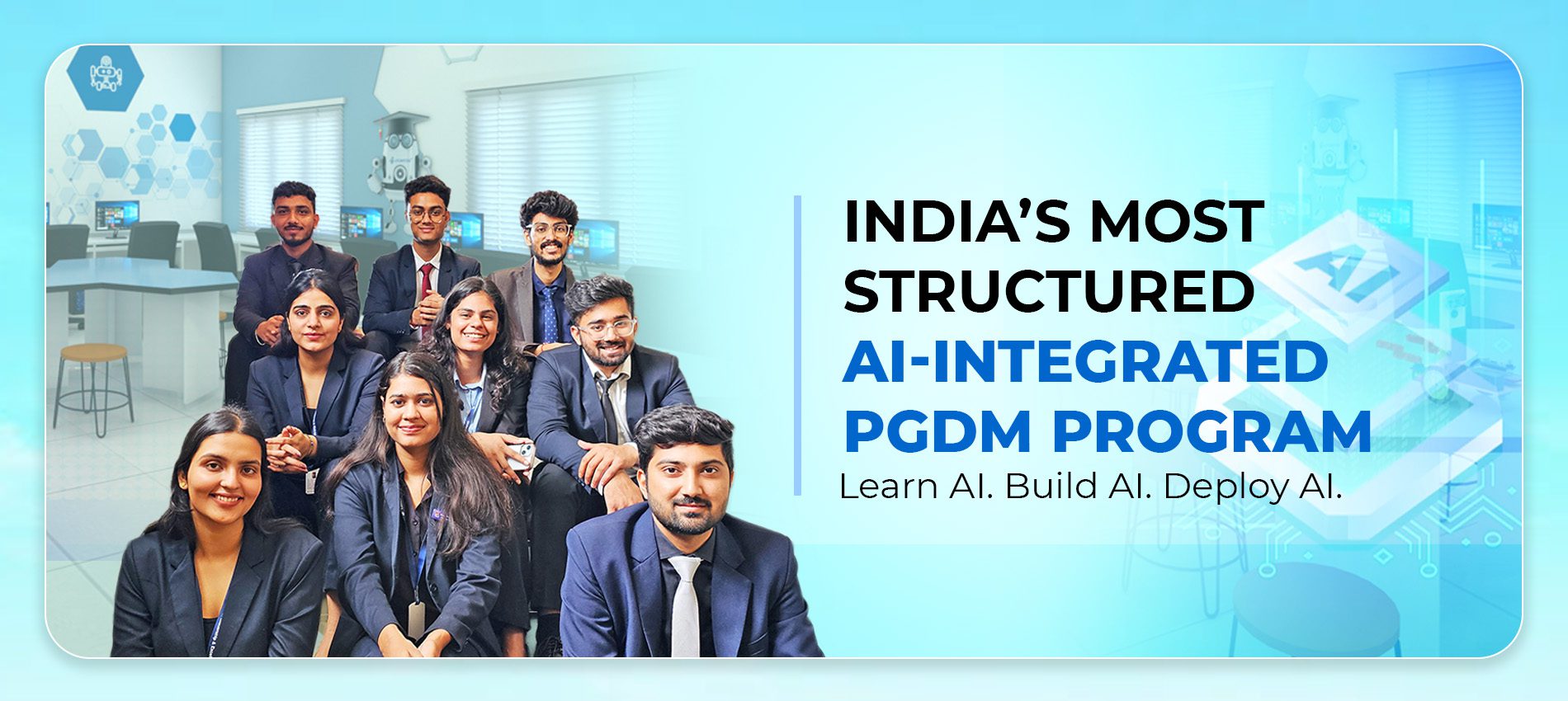
If you’re evaluating which PGDM programme to join in 2026, Lexicon MILE’s AI-integrated PGDM with Global Immersion is built specifically to develop these 10 skills – through real projects, global exposure, and mentorship that begins from day one.
Frequently Asked Questions (FAQs)
-
What skills are required for PGDM admission?
For admission, institutes primarily evaluate analytical aptitude (through entrance exams), communication skills (through group discussion and personal interview), and career clarity (through personal interview). The 10 skills in this blog are for performing well inside the programme, not just getting in.
-
How do I prepare for a PGDM personal interview?
Know your academic background well, have a clear answer for ‘Why PGDM?’ and ‘Why this institute?’, be ready to discuss a business situation you find interesting, and practice speaking clearly under mild pressure.
-
What entrance exams does Lexicon MILE accept for PGDM?
CAT, XAT, CMAT, MAT, MH-CET, ATMA, GMAT, and CUET. Students with strong scores in any of these are eligible to apply at admissions.lexiconmile.com.
-
What should I expect in the PGDM first year?
A mix of foundation subjects, specialization electives, industry interactions, live projects, and the Corporate Immersion Project. The pace is faster than undergraduate study – time management and adaptability are the skills that determine first-year performance more than any others.
Ready to Build the Skills That Matter?
A successful PGDM journey starts long before your first class. Explore how Lexicon MILE’s PGDM program helps you develop the skills employers value most.
Book a free counselling session today and take the first step towards becoming a future-ready management professional.